
Who to call to remove a dead animal under your house
Call a wildlife-removal specialist or pest-control company that offers carcass removal. Know what to ask and when to stay out of the crawl space.
By Fix Handbook
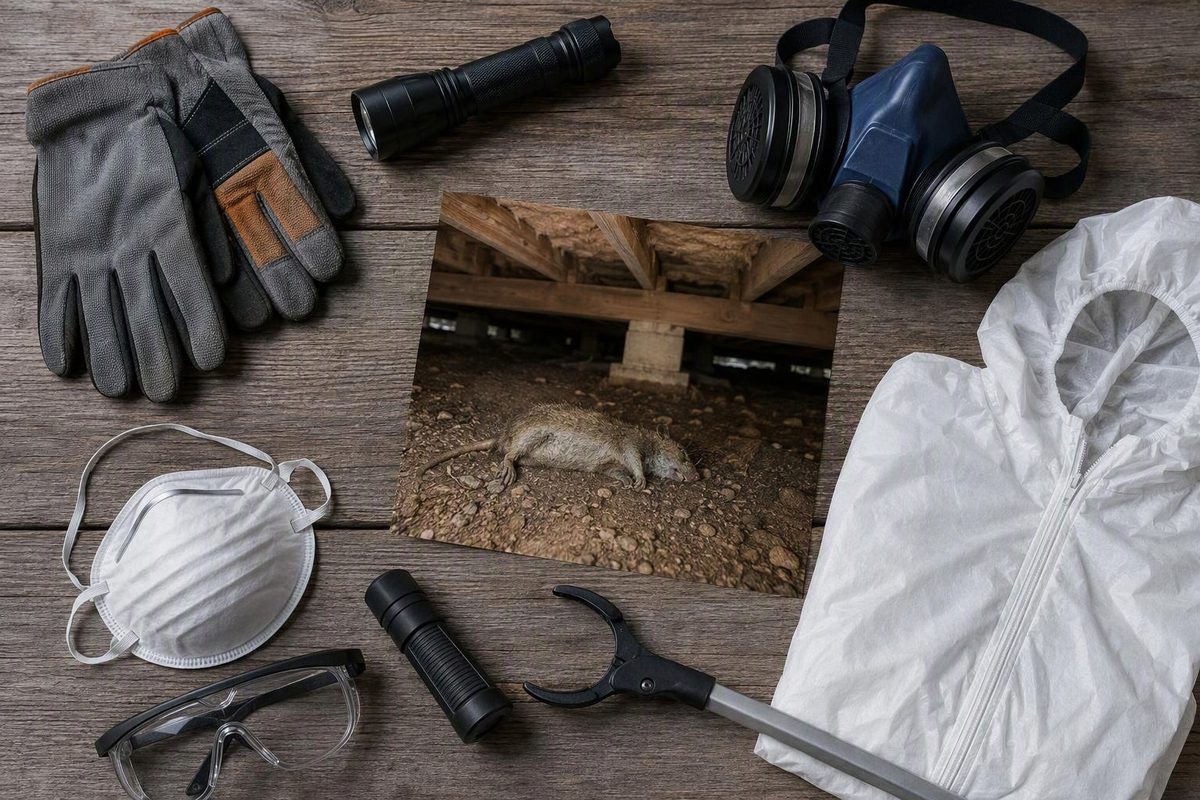
Call a wildlife-removal company that specifically offers dead-animal removal from crawl spaces. If you suspect a mouse or rat, a pest-control company is another option—but confirm that it will locate and remove the carcass, not just treat a live infestation.
This is a distinct service: for example, Varment Guard lists removal from crawl spaces and beneath houses, including cases where the animal’s location is unknown. Use that service description as a screening standard, not as a nationwide contractor recommendation.
If the smell could be leaking gas, stop before investigating. A sulfur or rotten-egg smell or hissing can indicate a gas leak. Leave immediately and call 911, then your gas utility, from a safe location. PG&E’s emergency guidance identifies these warning signs; do not assume the odor is an animal. Do not use light switches, a phone or flames in the suspected leak area—National Fuel warns against creating sparks or sources of heat.
Will animal control remove it?
Ask your local animal-control department or municipal service line whether it handles dead animals on private property and beneath buildings. Do not assume roadside pickup includes crawling under a house.
Local service limits matter. Multnomah County Animal Services, for example, responds to deceased cats, dogs and large wildlife in public areas, but does not pick up small wildlife such as rats, squirrels, raccoons or opossums. That is one county’s policy, not a national rule.
If you rent, notify the landlord or property manager before authorizing access work or repairs.
What to ask before booking
Tell the dispatcher whether you have seen the animal or only noticed an odor. Describe the crawl-space hatch, approximate clearance, and any known water, damaged wiring or heavy droppings. Do not enter just to gather these details.
Ask:
- Do you locate and physically remove dead animals beneath houses? Confirm that the quoted service is not odor treatment alone.
- Can you work through the existing access hatch? If not, who assesses and creates additional access?
- What does the estimate cover? Request separate details for the search, retrieval, disposal, cleanup, odor treatment and any repair work.
- What happens if you cannot find or reach the carcass? Ask about inspection charges and further authorization before work starts.
- Will you inspect the entry route? Ask for findings and a separate repair or exclusion estimate.
These distinctions are worth making: Varment Guard separates visible, unobstructed carcasses from animals “in” or “under” something. An easy yard pickup is not the same job as a search beneath a floor.
Prepare access—not an opening in the house
Clear a path to the existing hatch and keep children and pets away from the work area. Leave the carcass and nearby debris undisturbed for the technician.
Do not crawl in if the space is too tight to move safely, contains standing water, has damaged wiring or appears structurally unstable. Tell the removal company about those conditions so it can assess access or arrange the appropriate trade first. If the space has flooded, CDC advises staying out of floodwater because of contamination and injury risks.
Do not sweep or vacuum rodent droppings or nests. CDC’s rodent-cleanup guidance warns that this can put contaminated particles into the air and specifies additional precautions for heavy infestations. A dusty, heavily contaminated crawl space is a reason to ask for specialist cleanup, not to improvise with a household vacuum.
Do not cut flooring, remove supports or disturb pipes to reach the animal. If additional access is proposed, agree on its location, scope and repair responsibility first. Use the before-you-drill, cut or dig safety check for that separate repair decision.
Before the job is closed
Ask what was removed, what contamination remains and whether affected materials need separate cleanup or replacement. Removal and deodorizing should not be treated as interchangeable services.
Also request an entry-point assessment. Critter Control notes that the opening an animal used may remain after carcass removal. Have the specialist check for remaining animal activity and explain the exclusion plan before openings are sealed.